Imagine a world where pieces of your DNA could suddenly “jump” from one place to another. They could alter your genetic code in unpredictable ways. This isn’t science fiction—it’s the reality of transposons, often called “jumping genes.”
Transposons are found in nearly all organisms, from bacteria to humans. They make up a significant portion of our DNA. In fact, over 50% of the human genome is composed of these mobile genetic elements.
Transposons were once dismissed as “junk DNA.” However, scientists now recognize that they play a crucial role in genetic diversity, evolution, and even disease.
In this blog post, we’ll dive into the fascinating world of transposons. We will explore how they move and their different types, including Class I retrotransposons and Class II DNA transposons. We will also look at their impact on genetics.
We’ll also discuss their role in mutations, gene regulation, and their connection to diseases like hemophilia and Duchenne muscular dystrophy. Whether you’re a student, teacher, or simply curious about genetics, you’ll find this exploration of jumping genes enlightening. These dynamic elements shape life at the cellular level.
Let’s jump in!
What is a Transposon? Definition in Biology
Transposons, also known as jumping genes or mobile genetic elements, are segments of DNA. They can move or “jump” to different positions within the genome of a single cell.
This process, known as transposition, can lead to genetic mutations. It can also cause changes in the amount of DNA and alterations in gene expression.
Transposons are found in both prokaryotes and eukaryotes, and they play a significant role in genetic variation and evolution.
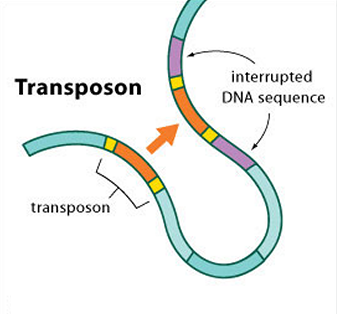
The term “jumping gene” was coined. These DNA segments can relocate themselves within the genome. It is much like how a word can be cut and pasted to a different location in a document. This movement can have profound effects on the organism. It can create new genetic variations and disrupt existing genes.
Who Discovered Transposons?
Transposons were discovered by Barbara McClintock in the 1940s while she was studying maize (corn). She observed that certain genetic elements could move within the genome, causing changes in the color patterns of corn kernels.
Her groundbreaking work on transposable elements earned her the Nobel Prize in Physiology or Medicine in 1983.
McClintock’s discovery was initially met with skepticism, but it is now widely recognized as a cornerstone of molecular genetics.
Types of Transposons
Transposons are broadly classified into two main types based on their mechanism of movement:
1. Class II Transposons: The Cut-and-Paste Mechanism of Jumping Genes
Class II transposons, also known as DNA transposons, are a fascinating class of mobile genetic elements. They move within the genome through a “cut-and-paste” mechanism.
This process is similar to cutting and pasting text in a document. The transposon is excised from one location. It is then inserted into another. In this section, we’ll explore how Class II transposons work, their structure, and their role in genetics.
How Do Class II Transposons Move?
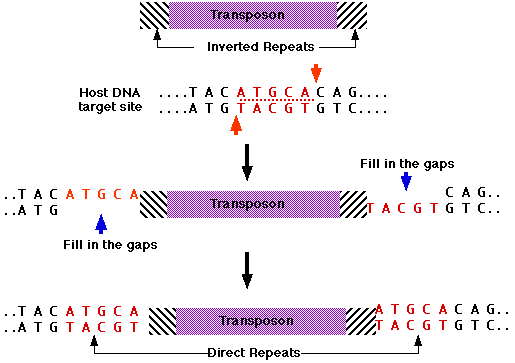
The movement of Class II transposons happens with the help of an enzyme called transposase. This enzyme is often encoded within the transposon itself. Here’s a step-by-step breakdown of the cut-and-paste mechanism:
- Excision: The transposase enzyme binds to the inverted repeats at the ends of the transposon. It cuts the transposon out of its original location in the genome.
- Insertion: The transposase then inserts the transposon into a new location in the genome. This new location is often flanked by direct repeats, which are identical sequences of DNA.
- Ligation: Once the transposon is inserted, the gaps in the DNA are filled in through Watson-Crick base pairing. This process creates a stable integration.
Key Features of Class II Transposons:
- Inverted Repeats: The ends of Class II transposons contain inverted repeats, which are identical sequences that read in opposite directions. These repeats are recognized by the transposase enzyme.
- Direct Repeats: After insertion, the target site is flanked by direct repeats, which are created during the repair process.
- Transposase Enzyme: This enzyme is essential for both the excision and insertion of the transposon. Some transposons lose their transposase gene over time. However, they can still move if another transposon in the cell provides the enzyme.
Miniature Inverted-repeat Transposable Elements (MITEs)
MITEs are a unique class of transposable elements that are too small to encode any proteins. Despite their small size, they are found in thousands of copies within the genomes of various organisms, including rice, C. elegans, humans, Xenopus, and apples.
Structure of MITEs
MITEs are typically around 400 base pairs in length and are flanked by inverted repeats of about 15 base pairs. Here’s an example of a typical MITE sequence:
5′ GGCCAGTCACAATGG..~400 nt..CCATTGTGACTGGCC 3′

3′ CCGGTCAGTGTTACC..~400 nt..GGTAACACTGACCGG 5′
How Do MITEs Move?
MITEs do not encode any proteins. Larger transposons are thought to facilitate their movement. These transposons encode the necessary enzymes, such as transposase. These larger transposons recognize the inverted repeats of MITEs and help them move to new locations within the genome.
Role of MITEs in Genetics
- High Copy Number: In rice, there are over 100,000 MITEs, making up about 6% of the genome. These elements can insert themselves into genes, causing mutations that affect traits such as grain size, color, and disease resistance.
- Genetic Diversity: MITEs contribute to genetic variation and may play a role in evolution by creating new genetic combinations.
Transposons in Maize: The Discovery by Barbara McClintock
The study of transposons began with the groundbreaking work of Barbara McClintock in the 1940s. She discovered transposable elements while studying maize (corn) and observed that these elements could cause a variety of gene mutations, including:
- Insertions and Deletions (Indels): These mutations occur when a transposon inserts itself into a gene. They also occur when a transposon deletes a segment of DNA.
- Translocations: Transposons can also cause parts of chromosomes to break off and reattach to different locations.
Example of Transposon-Induced Mutations in Maize
McClintock identified specific mutations in maize, such as the c and bz mutations, which affected the color of corn kernels. These mutations were caused by the insertion of transposons into genes responsible for pigment production. The result was the variegated patterns seen in “Indian corn,” where kernels display a mix of colors.
Recognition of McClintock’s Work
Although McClintock’s discoveries were initially met with skepticism, her work was eventually recognized as revolutionary. She was awarded the Nobel Prize in Physiology or Medicine in 1983 for her discovery of mobile genetic elements.
Transposons in Drosophila: P-Elements
In Drosophila (fruit flies), P-elements are a well-studied class of Class II transposons. These elements have provided valuable insights into the mechanisms of transposition and have been widely used in genetic research.
How P-Elements Work
- Repressed State: In most cases, the transposase gene in P-elements is repressed. This means it is not active. It causes little harm to the organism.
- Activation in Hybrid Offspring: Male flies with P-elements mate with female flies lacking them. This causes the transposase to become active in the germ line. This activation leads to numerous mutations, often resulting in sterile offspring.
Spread of P-Elements in Nature
P-elements first appeared in Drosophila melanogaster about 50 years ago. They have since spread through nearly every population of the species. Today, flies without P-elements are rare and are mostly found in old laboratory strains.
Applications in Genetic Research
P-elements have become a powerful tool for Drosophila geneticists. By engineering P-elements to carry specific genes, scientists can create transgenic flies with desired traits. This technique has been instrumental in studying gene function and regulation.
Transposons in Bacteria: Antibiotic Resistance
Transposons in bacteria often carry genes that confer antibiotic resistance, making them a significant concern in public health. These transposons can move between bacteria through horizontal gene transfer, contributing to the rapid spread of multidrug resistance.
Mechanism of Transposition in Bacteria
- Copy-and-Paste Mechanism: In bacteria, transposons often move via a copy-and-paste mechanism. This process requires an enzyme called resolvase, which is encoded within the transposon itself.
- Plasmid-Mediated Transfer: Transposons can be incorporated into plasmids, which are small, circular DNA molecules that can move between bacteria. This allows the transposon to exit one host cell and enter another, spreading antibiotic resistance genes.
Impact on Public Health
The ability of transposons to spread antibiotic resistance genes is a major factor in the rise of multidrug-resistant bacteria. Understanding the mechanisms of transposon movement is crucial for developing strategies to combat this growing threat.
Class II transposons are found in maize and fruit flies. MITEs are present in rice. Antibiotic resistance genes exist in bacteria. Collectively, transposons play a significant role in genetics and evolution. These mobile genetic elements can cause mutations, contribute to genetic diversity, and even spread harmful traits like antibiotic resistance. The discovery of transposons by Barbara McClintock revolutionized our understanding of genetics. Ongoing research continues to reveal their complex roles in the genome.
2. Class I Transposons: Retrotransposons and Their Role in Genetics
Class I transposons, also known as retrotransposons, are a fascinating class of mobile genetic elements. They move within the genome using a “copy-and-paste” mechanism. Unlike Class II transposons, transposons use DNA as their intermediate. Retrotransposons rely on RNA to copy and insert themselves into new locations. In this section, we’ll explore how retrotransposons work, their structure, and their impact on genetics and evolution.
What Are Retrotransposons?
Retrotransposons are mobile genetic elements. They move within the genome by first transcribing their DNA into RNA. Then they use reverse transcriptase to convert the RNA back into DNA. This DNA is then inserted into a new location. This process is similar to how retroviruses, such as HIV-1, replicate and integrate into the host genome.
Key Features of Retrotransposons:
- RNA Intermediate: Retrotransposons use RNA as an intermediate during their movement, unlike DNA transposons, which move directly as DNA.
- Long Terminal Repeats (LTRs): Many retrotransposons have long terminal repeats (LTRs) at their ends. These can be over 1,000 base pairs long. These repeats play a role in the integration process.
- Direct Repeats: Like DNA transposons, retrotransposons generate direct repeats at their insertion sites, which are a hallmark of their activity.
How Do Retrotransposons Move?
The movement of retrotransposons involves several key steps:
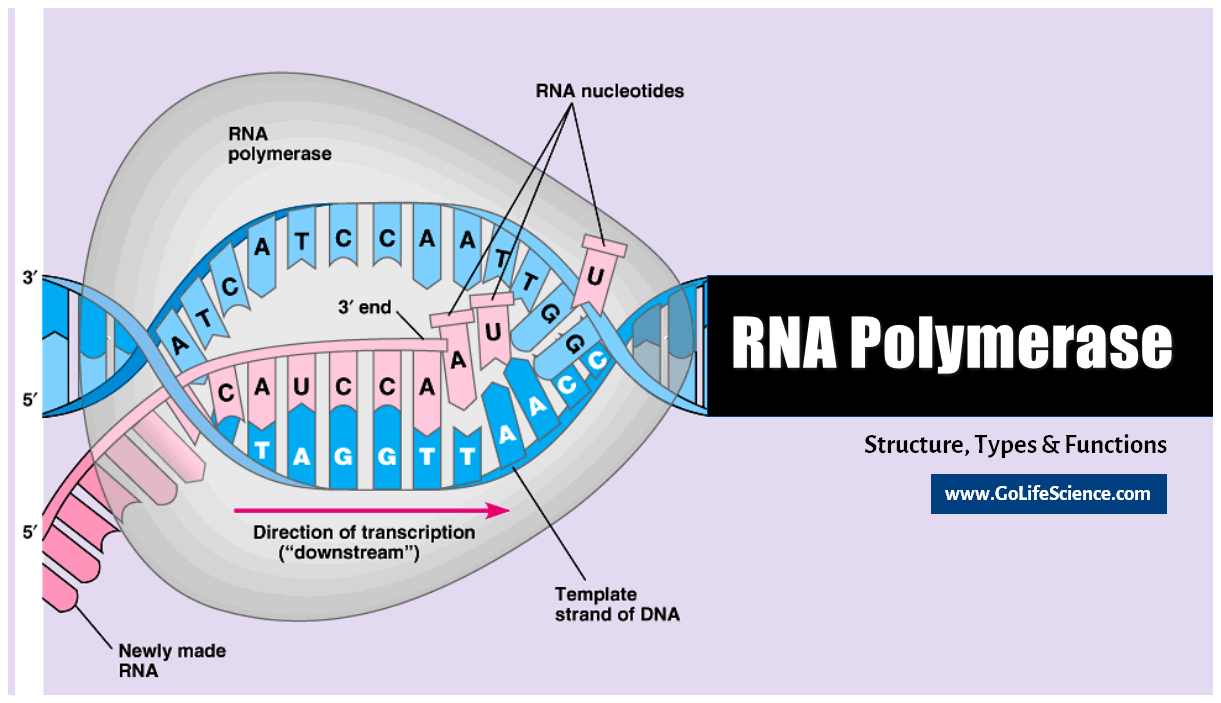
- Transcription: The DNA of the retrotransposon is transcribed into RNA by the host cell’s RNA polymerase.
- Reverse Transcription: The RNA is then converted back into DNA by the enzyme reverse transcriptase. This enzyme is often encoded by the retrotransposon itself.
- Integration: The enzyme integrase inserts the newly synthesized DNA into a new location in the genome. Integrase is also encoded by the retrotransposon.
Example: HIV-1 as a Retrotransposon
HIV-1, the virus that causes AIDS, behaves like a retrotransposon. Its RNA genome contains genes for reverse transcriptase and integrase. These genes allow it to integrate its DNA into the host genome. This integration is crucial in the virus’s life cycle. It is similar to how retrotransposons move within the genome.
Mechanism of Transposon Movement
Cut-and-Paste Transposition
In cut-and-paste transposition, the transposon is excised from its original location and inserted into a new site. This process requires the enzyme transposase, which binds to the terminal inverted repeats at the ends of the transposon. The transposase then cuts the DNA at the target site and ligates the transposon into its new location.
Key Steps:
- Transposase binds to the inverted repeats at the ends of the transposon.
- The transposon is excised from its original location.
- The transposon is inserted into a new location, often creating direct repeats at the target site.
Copy-and-Paste Transposition
In copy-and-paste transposition, the transposon is first copied into RNA. This RNA is then reverse-transcribed into DNA. The resulting DNA is inserted into a new location. This mechanism is used by retrotransposons and requires the enzyme reverse transcriptase.
Key Steps:
- The DNA of the retrotransposon is transcribed into RNA.
- The RNA is reverse-transcribed into DNA by reverse transcriptase.
- The new DNA copy is inserted into a new location in the genome.
Transposons in Humans
Transposons make up a significant portion of the human genome. Approximately 50% of the human genome consists of retrotransposons, with LINES and SINES being the most abundant. These elements can influence gene expression, genetic variation, and even evolution.
Jumping Genes in Humans
- LINES (Long Interspersed Elements): There are about 868,000 LINES in the human genome, representing 17% of the total DNA. Only a small fraction of these are functional, but they play a role in gene regulation and genetic recombination.
- SINES (Short Interspersed Elements): The most common SINES in humans are Alu elements, which make up 10.6% of the genome. Alu elements are non-autonomous and rely on LINES for their transposition.
LINEs (Long Interspersed Elements)
LINEs are a major class of retrotransposons found in the human genome. They make up approximately 17% of the human genome, with over 868,000 copies present. The most well-studied LINE family is LINE-1 (L1).
LINE-1 and Alu elements are especially abundant (17% and 11% respectively in humans).
Structure and Function of LINEs:
- Length: LINEs range in length from a few hundred to 9,000 base pairs.
- Functional Elements: Only about 50 L1 elements in the human genome are functional. They can be transcribed and translated into proteins.
- Proteins Encoded: Functional L1 elements encode three proteins, including:
- Endonuclease: Cuts the target DNA to allow insertion.
- Reverse Transcriptase: Converts L1 RNA back into DNA.
Mechanism of L1 Activity:
- Transcription: The L1 DNA is transcribed into RNA by RNA polymerase II.
- Translation: The RNA is translated into proteins in the cytoplasm.
- Reentry into the Nucleus: The proteins and RNA reenter the nucleus.
- Integration: The endonuclease cuts the target DNA. The reverse transcriptase copies the L1 RNA into DNA. This DNA is then inserted into the genome.
Role of LINEs in Genetic Diversity:
- DNA Fingerprinting: The diversity of LINEs between individuals makes them useful markers for DNA fingerprinting.
- Gene Regulation: LINEs can influence gene expression by inserting into regulatory regions of the genome.
SINEs (Short Interspersed Elements)
SINEs are another class of retrotransposons. They are much shorter than LINEs. They typically range from 100 to 400 base pairs. The most abundant SINEs in the human genome are Alu elements, which make up 10.6% of the total DNA.
Structure and Function of SINEs:
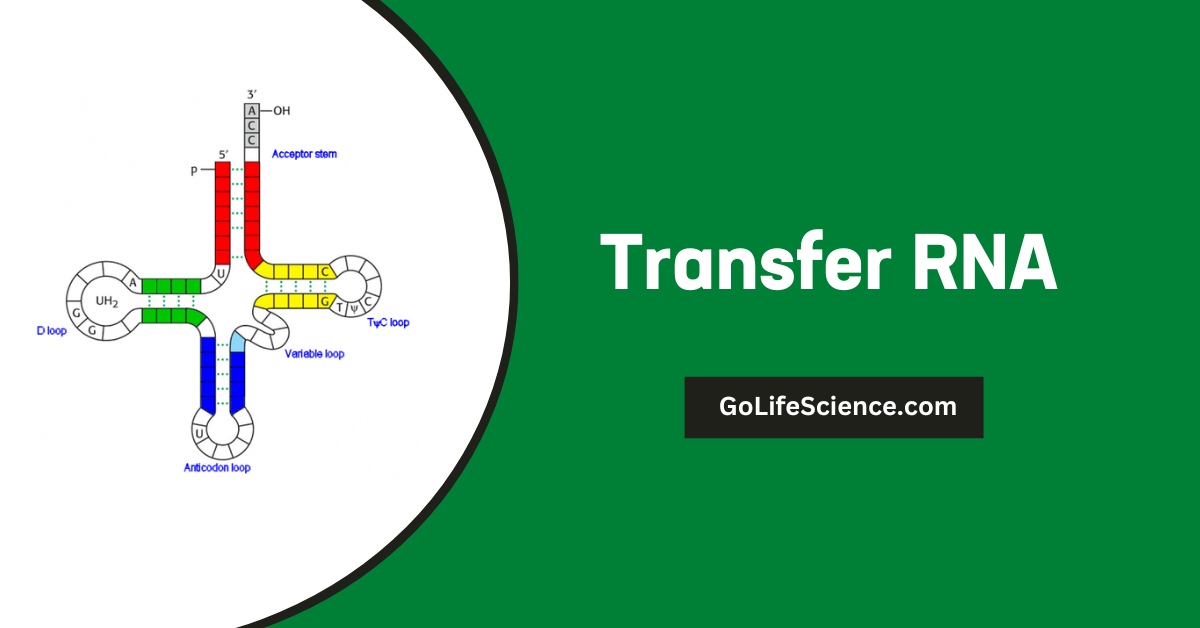
- Origin: SINEs are thought to originate from reverse-transcribed RNA molecules, such as tRNA and 5S rRNA.
- Non-Autonomous: SINEs do not encode the proteins needed for their movement and rely on the machinery of LINEs for transposition.
Alu Elements:
- Abundance: There are over 1 million Alu elements in the human genome.
- Recognition Site: Alu elements contain a site recognized by the restriction enzyme AluI, which is how they got their name.
Transposons and Mutations
Retrotransposons are mutagens, meaning they can cause genetic mutations in several ways:
- Insertion into Functional Genes: When a retrotransposon inserts itself into a functional gene, it can disrupt the gene’s activity. This disruption can lead to mutations.
- Unequal Crossing Over: The presence of repeated sequences, such as Alu elements, can lead to unequal crossing over during meiosis. This can cause duplications or deletions.
- Faulty Repair: Errors in repairing the gaps left by transposon movement can also lead to mutations.
Examples of Diseases Caused by Retrotransposons:
- Hemophilia A and B: Caused by mutations in the Factor VIII and Factor IX genes, respectively.
- Duchenne Muscular Dystrophy: Caused by mutations in the dystrophin gene.
- X-linked SCID: Caused by mutations in the gene for part of the IL-2 receptor.
Retrotransposons, including LINEs and SINEs, play a significant role in genetic variation, evolution, and gene regulation. While they can cause harmful mutations, they also contribute to the diversity and complexity of the genome. Understanding the mechanisms of retrotransposon movement and their impact on the genome is crucial for advancing our knowledge of genetics and developing new treatments for genetic d
Transposons and Genetic Diseases
Transposons can cause genetic mutations when they insert into functional genes. Some examples of human genetic diseases caused by transposon activity include:
- Hemophilia A and Hemophilia B
- X-linked severe combined immunodeficiency (SCID)
- Duchenne muscular dystrophy
Role of Transposons in Evolution
Transposons are often referred to as “selfish genetic elements” because their primary function seems to be to replicate themselves. However, they also play a significant role in evolutionary genetics by contributing to genetic variation and genome evolution.
Transposons and Genetic Variation
- Horizontal Gene Transfer: Transposons can facilitate the transfer of genes between different species, a process known as horizontal gene transfer. This can lead to the acquisition of new traits and increased genetic diversity.
- Gene Regulation: Transposons can influence gene expression by inserting into regulatory regions of the genome. This can lead to the creation of new promoters, enhancers, or silencers, which can alter the expression of nearby genes.
Transposons and Genome Evolution
- Genome Size: Transposons play a role in the C-value paradox. This paradox refers to the lack of correlation between genome size and organism complexity. For example, the genome of maize (corn) is 20 times larger than that of Arabidopsis thaliana. Much of this difference is due to the presence of transposons.
- Chromosomal Rearrangements: Transposons can cause chromosomal mutations such as insertions. They can also cause deletions and translocations. These mutations can lead to significant changes in the genome over time.
Effects of Transposons in Gene Expression
Transposons can have both positive and negative effects on gene expression:
- Gene Silencing: When a transposon inserts into a gene, it can disrupt the gene’s function, leading to gene silencing. This can result in the loss of gene activity and potentially harmful mutations.
- Gene Activation: In some cases, transposons can activate nearby genes by inserting into regulatory regions. This can lead to the creation of new promoters or enhancers, which can increase gene expression.
Transposons in Prokaryotes and Eukaryotes
- Transposons in Prokaryotes: In prokaryotes, transposons often carry genes for antibiotic resistance. These elements can move between different bacteria through horizontal gene transfer, contributing to the spread of multidrug resistance.
- Transposons in Eukaryotes: In eukaryotes, transposons are more complex and can make up a significant portion of the genome. They play a role in gene regulation, genetic variation, and genome evolution.
CRISPR-Associated Transposons (CASTs): Revolutionizing Gene Insertion
1. CRISPR-Associated Transposons (CASTs): RNA-Guided DNA Integration
Recent breakthroughs have uncovered a powerful new gene-editing technology—CRISPR-associated transposons (CASTs). These systems combine the precision of CRISPR-Cas guidance with the natural “jumping gene” ability of transposons.
CASTs enable RNA-guided, site-specific DNA segment insertion into genomes. This process does not require dangerous double-strand DNA breaks. Such breaks are a limitation of conventional CRISPR methods. As demonstrated in recent studies (Nature, Cell 2023–2024), this approach provides a safer, more flexible avenue for genome engineering.
2. Surpassing Traditional CRISPR-Cas: Efficient Insertion of Large DNA Sequences
Traditional CRISPR-Cas systems excel at point mutations but are less efficient for inserting large DNA fragments. CAST technology addresses this limitation by harnessing transposons’ natural capacity for moving sizable DNA elements.
Emerging research suggests that CASTs may soon outperform standard CRISPR-Cas editing for introducing large genetic payloads. This will initially happen in bacteria. With genetic optimization, this may occur in plant and animal systems as well. This opens promising new horizons for synthetic biology, metabolic engineering, and gene therapy.
3. “OMEGA” Nucleases: Compact, RNA-Guided Editors from Transposons
Another exciting innovation is the development of “OMEGA” nucleases, gene-editing enzymes derived directly from transposon proteins. These compact, RNA-guided tools have now been shown to function in vivo in human cells.
They offer a new platform for programmable genome manipulation with minimal cellular toxicity. OMEGA nucleases highlight the untapped biotechnological potential of transposons. Beyond their classical role in genome mobility, they now enable next-generation genome editing with unprecedented specificity and efficiency.
Frequently Asked Questions (FAQs) on Transposons
What are transposons?
Transposons, also called “jumping genes,” are DNA sequences. They can move from one location to another within a genome. This movement causes genetic change and diversity.
Who discovered transposons?
Barbara McClintock discovered transposons in maize (corn) in the 1940s. This breakthrough earned her the Nobel Prize in Physiology or Medicine in 1983.
What are the main types of transposons?
There are two major types. The first type is Class I (retrotransposons), which use RNA intermediates. The second type is Class II (DNA transposons), which move directly as DNA.
How do transposons impact evolution?
Transposons promote genetic diversity, influence genome size, and can lead to new evolutionary adaptations by creating mutations or reshuffling genes.
Can transposons cause disease?
Yes. If a transposon inserts into or near an important gene, it can disrupt gene function. This can lead to genetic diseases. It may also contribute to cancer and other disorders.
Are transposons present in humans?
Absolutely. Over half of the human genome consists of sequences derived from transposons, like LINEs and Alu elements.
How are scientists using transposons in biotechnology?
Scientists use transposons as tools for gene editing, gene delivery, and genome research. Recent developments even combine them with CRISPR systems for targeted DNA insertion.
What are CRISPR-associated transposons (CASTs)?
CASTs are engineered systems that use CRISPR’s RNA-guided targeting with transposons’ mobility. This enables precise, site-specific insertion of DNA. It does so without cutting both DNA strands.
How are transposons used in modern biotechnology and genome editing?
In 2025, TEs are crucial as tools. They serve as vectors for gene therapy, gene tagging, and synthetic biology. They are also targets for CRISPR-driven genome editing and diagnostics.
Which tools detect and analyze transposable elements?
Leading tools include TransposonUltimate, Dfam database, RepeatMasker, and AI-based classification methods
Final words
Transposons, or jumping genes, are fascinating elements of the genome. They play a crucial role in genetic variation. These elements are key to evolution and gene regulation. Barbara McClintock discovered these mobile genetic elements.
They have been found in both prokaryotes and eukaryotes. They continue to be a subject of intense research in molecular genetics. Some view them as “selfish genetic elements”.
Others see them as drivers of evolutionary change. In any case, transposons are undeniably important players in the world of genetics.
Additional sources:
- Sleeping Beauty transposon for genetic applications and therapy:
A novel hyperactive variant of the Sleeping Beauty transposon system is a useful tool for gene therapy (2024) - MG transposon in T cell therapy & gene delivery system for mammalian cells:
A novel gene delivery system for mammalian cells using transposons (2024) - Transposons for efficient plant genome integration (“parasite” TE engineered toolkit):
Transposase-assisted target-site integration in plant genomes (2024, Nature) - Telomere-targeted transposons, drug development, and bacterial evolution:
Study uncovers how transposons use telomeres for survival in bacteria and drive evolution (2025) - Review highlighting genome evolution by transposable elements and applications in cancer:
Exploring transposable elements: new horizons in cancer research and genome evolution (2025, PMC) - Protective effects of Alu elements in hemophilia B (human clinical example, 2024):
A transposable element prevents severe hemophilia B (2024, PLoS ONE)
Discover more from Go Life Science
Subscribe to get the latest posts sent to your email.